

Gambling’s journey Tracing the historical evolution of games and strategies
The Origins of Gambling
The history of gambling stretches back thousands of years, with evidence suggesting that ancient civilizations engaged in games of chance. Archaeological findings indicate that the earliest forms of gambling can be traced to ancient China, where dice-like objects were used for fortune-telling and games. Similarly, in ancient Egypt, people played betting games using knucklebones, which laid the groundwork for what would evolve into more structured games. The concept of risk and reward is universal, and today, players seek out the best non gamstop casinos uk to satisfy their gaming appetite.
The Romans also contributed to the early landscape of gambling, developing various betting games during their expansive empire. They held contests and games during public events, where spectators could place wagers. This cultural embrace of gambling set the stage for the integration of betting into social activities, shaping its evolution in society.
The Rise of Organized Gambling
The transition from informal betting to organized gambling occurred during the Middle Ages when gambling houses began to emerge across Europe. The establishment of these venues led to the creation of structured games, with rules and regulations that aimed to protect both players and the house. This period saw the popularization of card games, which introduced a new dynamic to gambling, focusing on skill as well as luck.
As organized gambling gained traction, so did the development of strategic betting approaches. Players began to devise methods to increase their odds of winning, leading to the emergence of probability theory. This mathematical foundation would later influence various games, paving the way for the evolution of strategies that still exist today.
The Advent of Casinos
The 17th century marked a significant milestone in the history of gambling with the establishment of the first official casino in Venice, Italy. This venue offered a variety of games and attracted players from all walks of life, further legitimizing gambling as a mainstream activity. Casinos quickly spread across Europe, offering luxuries and entertainment that appealed to the upper class.
The rise of casinos not only changed the gambling landscape but also fostered the development of specific games such as roulette and blackjack. These games became synonymous with the casino experience, and players began to refine their strategies to maximize their chances of winning, further intertwining the concepts of skill and luck in gambling.
The Impact of Technology on Gambling
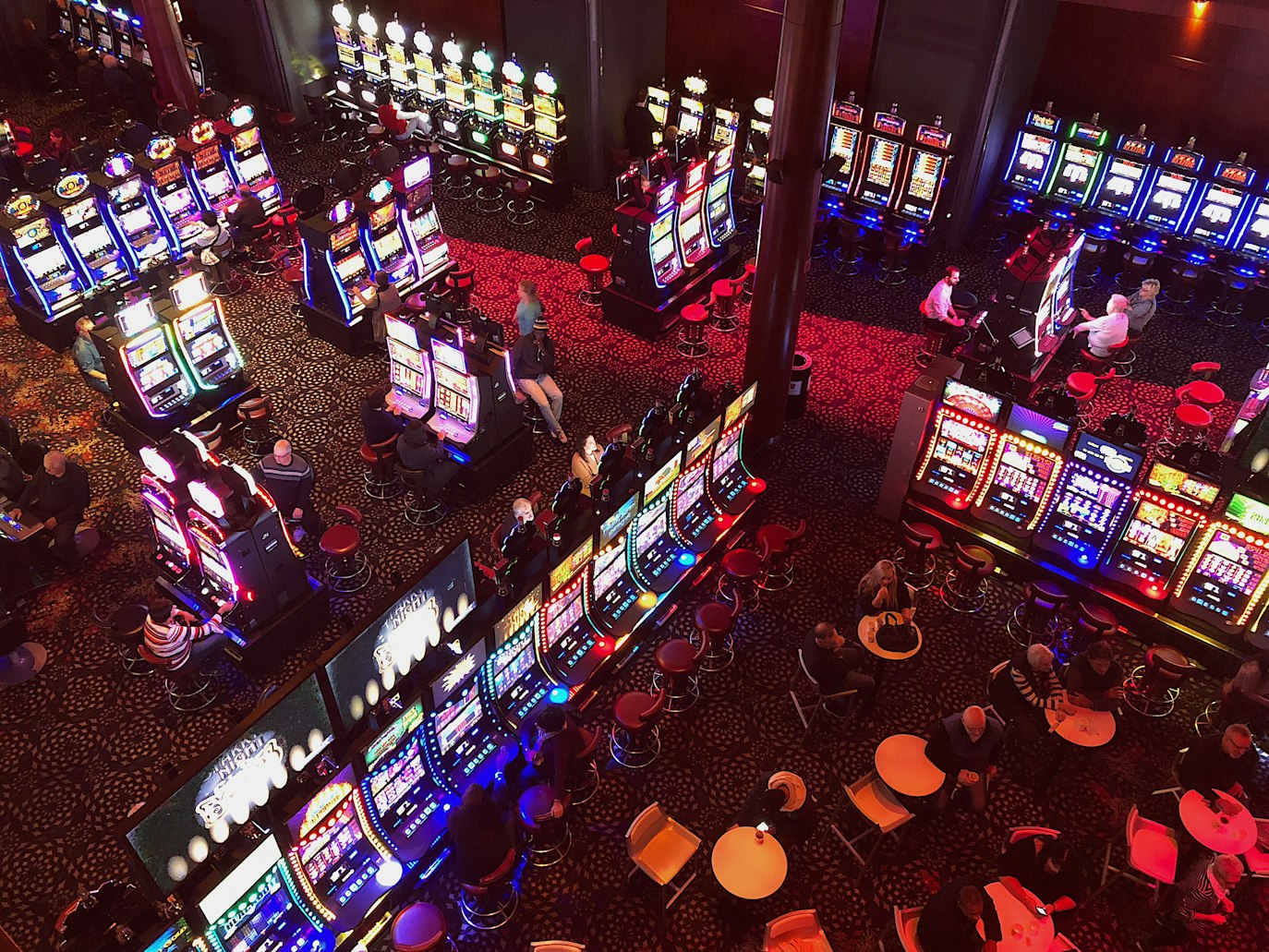
The technological advancements of the 20th and 21st centuries dramatically transformed the gambling industry. The introduction of slot machines in the early 1900s revolutionized casinos, providing an easy and enticing way for players to participate in games of chance. As technology continued to evolve, so did the nature of gambling, leading to the creation of online casinos in the late 1990s.
The rise of the internet enabled players to access a wide array of gambling options from the comfort of their homes. This digital shift not only broadened the audience for gambling but also led to the development of sophisticated algorithms and software that enhanced gameplay experiences. As a result, strategies adapted to this new environment, emphasizing the importance of understanding online gaming dynamics.

Exploring the Future of Gambling
The landscape of gambling continues to evolve, driven by technological advancements and changing consumer behaviors. Virtual reality and artificial intelligence are beginning to play pivotal roles, creating immersive experiences that blur the lines between traditional and digital gambling. These innovations are not only enhancing player engagement but also prompting the development of new strategies tailored to these emerging platforms.
As gambling enters this new era, understanding its historical context becomes crucial. Recognizing how past trends influence present practices can help players and operators navigate the complex world of gambling, ensuring a responsible and enjoyable experience for all involved.

