

Tracing the historical evolution of gambling practices across cultures
The Origins of Gambling
The practice of gambling can be traced back thousands of years, with evidence found in ancient civilizations. Archaeological findings from Mesopotamia, China, and Egypt reveal that games of chance were an integral part of cultural and social activities. In these societies, gambling often revolved around dice games and betting on the outcomes of various events, reflecting a deep-rooted human desire for risk and reward. Games like “Slot Win Win Won,” available at https://pg-softl.com/en/win-win-won, showcase how modern adaptations have evolved from these ancient pastimes.
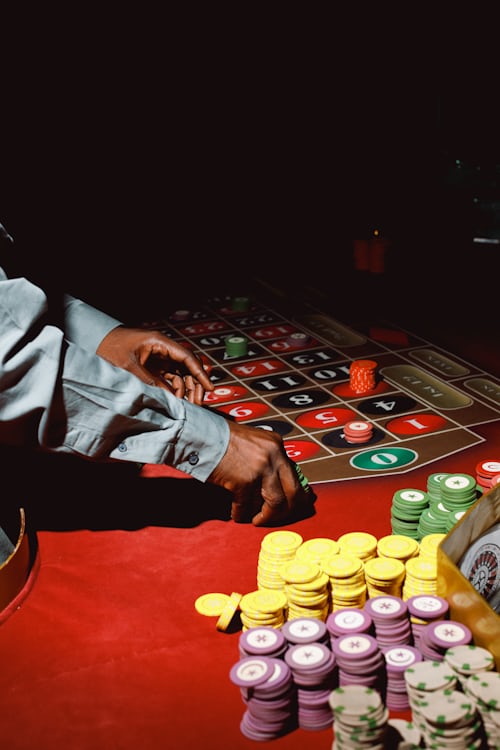
In ancient China, documents dating back to 2300 B.C. describe a game resembling Keno, suggesting that gambling practices were formalized early on. Similarly, the Romans popularized various betting games, including chariot races and gladiatorial contests, showcasing the social aspect of gambling as a shared experience among the populace.
Cultural Variations in Gambling Practices
Gambling practices vary widely across cultures, influenced by social norms, values, and economic conditions. In many indigenous cultures, gambling was traditionally seen as a means to build community and strengthen bonds, often involving rituals and cultural significance. Native American tribes, for example, have a rich history of gambling, utilizing games like stick games for entertainment and social cohesion.
In contrast, Western cultures have often associated gambling with both entertainment and vice. The establishment of casinos in the 20th century marked a significant shift in the perception of gambling, transforming it into a mainstream recreational activity. This evolution reflects changing societal attitudes toward risk and the pursuit of fortune.
The Legal Framework Surrounding Gambling
As gambling gained popularity, legal frameworks began to emerge, shaping how these activities were regulated. Initially, many societies imposed strict bans on gambling, viewing it as a moral failing. However, as the economic potential of gambling became apparent, governments began to explore ways to regulate and tax these activities.
In the modern era, gambling laws vary significantly from one country to another. Some nations embrace a liberal approach, allowing casinos and online gambling platforms to thrive, while others maintain strict prohibitions. The legal landscape continues to evolve, reflecting changing societal attitudes and technological advancements that have revolutionized how people engage with gambling.
The Influence of Technology on Gambling
The advent of technology has dramatically transformed gambling practices across the globe. The rise of the internet in the late 20th century led to the emergence of online gambling platforms, making it more accessible than ever before. Players can now enjoy a wide range of games, from slots to poker, from the comfort of their own homes, leading to an explosion in the popularity of digital gambling.
Moreover, advancements in mobile technology have further propelled this trend, allowing players to gamble on-the-go. This shift not only broadens the audience for gambling but also necessitates new regulatory considerations to ensure player safety and responsible gaming practices.

Modern Trends in Gambling Culture
Today, gambling is a multifaceted industry that encompasses a variety of activities, including sports betting, online casinos, and lotteries. These trends reflect a growing acceptance of gambling as a legitimate form of entertainment and social interaction. Additionally, marketing strategies have evolved, targeting specific demographics and leveraging social media to engage with potential players.
As gambling continues to adapt to cultural shifts and technological innovations, it remains essential to consider the implications for society. Issues such as gambling addiction and responsible gaming practices are increasingly at the forefront of discussions, prompting regulatory bodies and industry leaders to work together to create a safer gambling environment.

